Lesotho Cannabis Opportunities an Open Secret
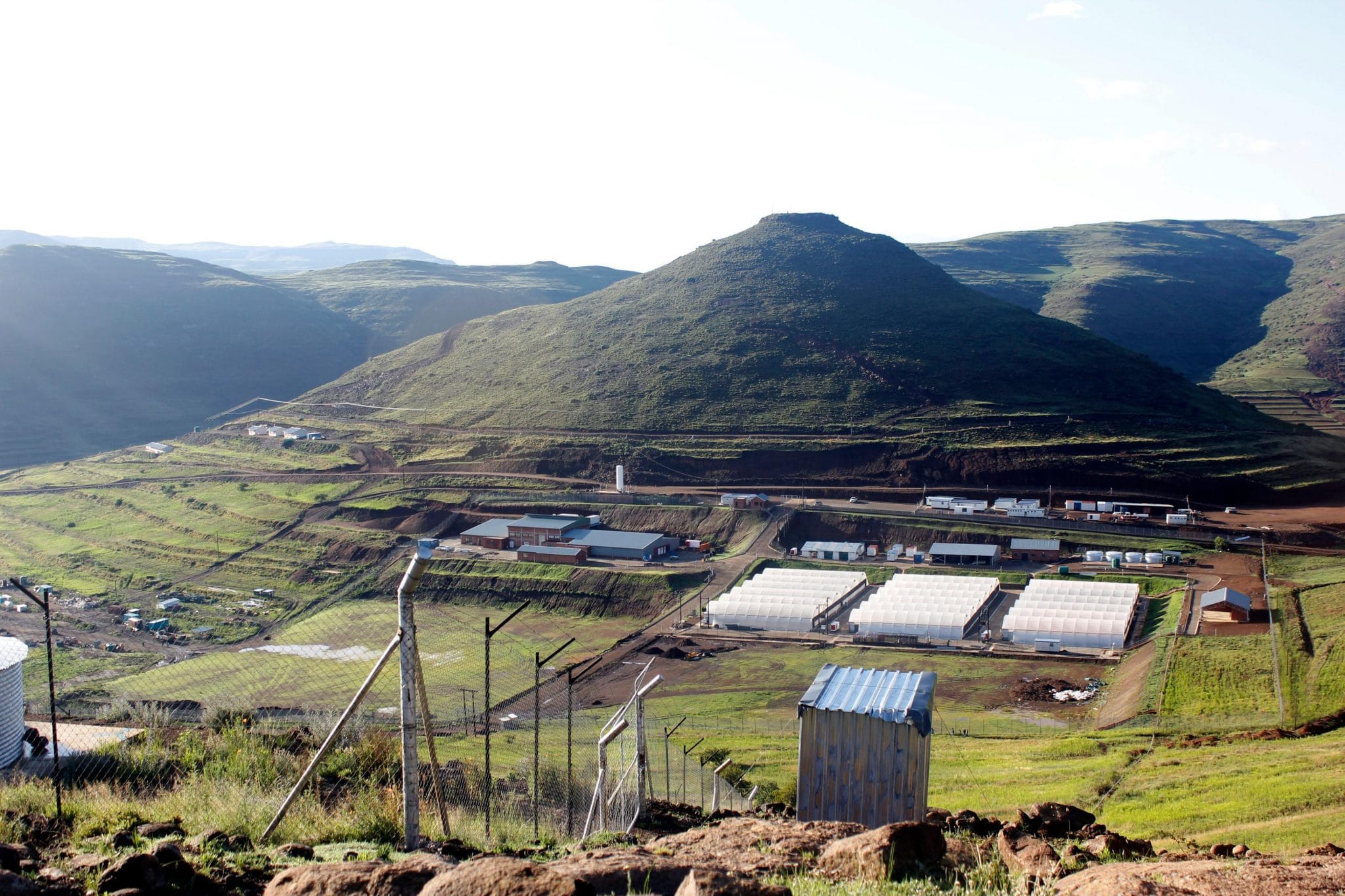
Small but Lucrative Operations Can Help Locals and Companies Alike – LPC
 We’ve heard about Lesotho cannabis opportunities in passing before. Supreme Cannabis has its Medigrow Lesotho brand. Canopy Growth invested approximately $29 million to buy Daddy Cann Lesotho in May 2018. That same month, Aphria partnered with South Africa-based Verve Dynamics, which has a growing site in Lesotho.
All are relatively small deals, but they represent steps forward in each company’s global goals. So what makes Lesotho cannabis opportunities so lucrative?
In fact, cannabis has been grown here for centuries. The local people called the Basotho have used cannabis for headaches, flu, and even to calm colicky babies. (Please see full article below.) Colonialism took away their lands and later made cannabis – what the locals call matekoane – illegal. Even after Lesotho gained independence in 1993, cannabis fluctuated between legal and illegal.
Technically, that changed in 2008 when the Ministry of Health could legally give growing licences. But it never really happened until 2018 when international companies came for Lesotho cannabis opportunities.
MediGrow a Local Success Story for Lesotho Cannabis Opportunities – LPC
However, those opportunities quickly became lopsided to international companies. At first, the Ministry of Health gave licences to anyone who asked. That stopped, which created a sort of black market of its own.
“We have realized this is the biggest industry. It’s even bigger than other mining industries,” said Nkaku Kabi, minister of health. Lesotho has a number of small diamond mines, but Lesotho cannabis opportunities are more lucrative. “It has to be handled with care.”
There was concern that large foreign companies would take over since small growers couldn’t afford the black market licences. But Supreme Cannabis seems to be taking a local approach with its purchase of Medigrow. According to the Quartz article, Andre Bothma, CEO of Medigrow, and his family have lived in Lesotho for three generations. The Lesotho cannabis opportunities he sees are for the local people there as well as Supreme Cannabis.
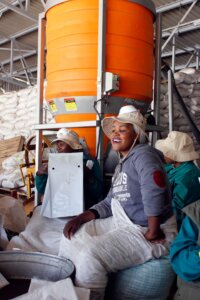
“What drives me is not money, it’s creating jobs,” Bothma said. “We’re going to build a business for generations. We’re not here to make a quick buck.”
He said that he wants to give a job to everyone in Lesotho who wants it. That includes creating indirect jobs such as food production to feed workers. The company also sponsors employee perks such as English lessons.
It’s not clear whether or not Supreme Cannabis’ seemingly progressive social approach to ownership makes it one of the smaller companies some analysts are optimistic about with shares down for most other companies. But it likely doesn’t hurt.
This editorial content from the LPC News Team provides analysis, insight, and perspective on current news articles. To read the source article this commentary is based upon, please click on the link below.