Certified-Organic Cannabis on the Rise

What is Certified-Organic Cannabis – and Does Anybody Care? – LPC
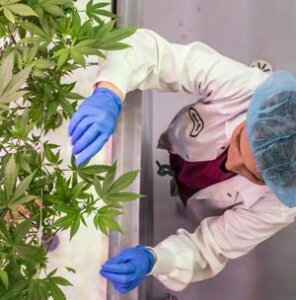 Habitat Craft Cannabis today announced the company received its Canadian General Standards Board (CGSB) Organic Aquaculture Standard Certification. According to its press release it is the first licensed producer (LP) to receive this certification. (Please see link at the end of this article.)
But what does “certified-organic cannabis” mean anyway, and does anybody care?
The short answer to the second question is, yes.
According to the Organic Council of Ontario (OCO), 83 per cent of Millennials buy organic weekly. Since the majority of cannabis users fall into roughly the same age range, there’s considerable overlap. Habitat clearly believes there is demand as well. Justin Henry, Director of Aquaculture at Habitat, said that the goal is to develop a sustainable operation.
“Habitat is the quintessential example of that,” he said. “Organic certification gives the consumer the assurance that the product is produced without potentially harmful inputs.” To Habitat, certified-organic cannabis means no synthetic pesticides, no synthetic nutrients, no GMOs, no antibiotics, and no added hormones.
Certification for Cannabis Operations Tricky – LPC
The answer to the first question, however, is: it’s complicated.
Habitat’s announcement is particularly interesting because it took a creative approach to becoming certified. The OCO said that cannabis cannot use the Canada Organic logo. That’s because it’s governed by the Cannabis Act and not the Safe Food for Canadians Act (SFCA), which awards the logo. Seemingly because Habitat’s operations fall under aquaculture as well, its hydroponics system can be certified by the CGSB. And voilà: you have certified-organic cannabis.
Habitat may be the first to be certified in this way, but it isn’t the only certified-organic cannabis LP. The Green Organic Dutchman or TGOD in Quebec has followed sustainable practices from the beginning. It cannot use the Canada Organic logo either. But according to its website, TGOD is certified by Ecocert Canada, LEED, and Pro-Cert.
So, although cannabis growers cannot be certified the way others are in agriculture, there are still ways to legitimately claim certified-organic cannabis. For most consumers, that’s what is important. They want to see pesticide-free products, sustainable practices, and fair dealings with employees, among other things. To see LPs like TGOD and Habitat go through extra hoops to prove they are following those practices is even more encouraging. As the industry opens up to more craft cannabis growers – and particularly outdoor-grown cannabis – the number of certified-organic cannabis options is sure to go up.
This editorial content from the LPC News Team provides analysis, insight, and perspective on current news articles. To read the source article this commentary is based upon, please click on the link below.