
How Outdoor-Grown Cannabis Might Save the Industry
Lower Costs Mean Lower Prices for Consumers – LPC
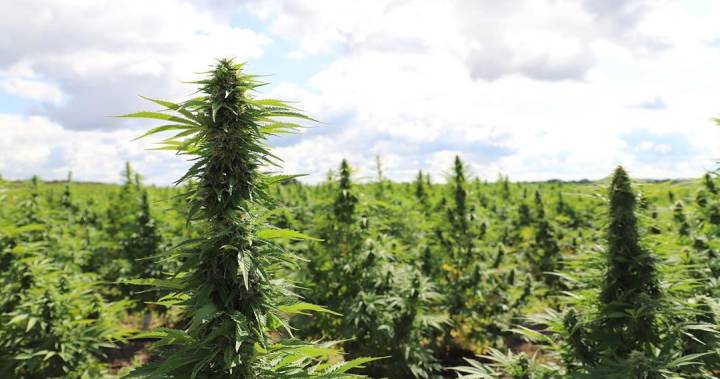
 There is nothing new about Outdoor-grown cannabis. But it’s gotten a bad rap over the years, particularly in the black market. Aficionados swear by indoor-grown cannabis. BC cannabis breeder Ryan Lee said that those in the “legacy” industry have already done the experiments.
“The market has decided that it prefers indoor-grown cannabis to outdoor-grown cannabis,” he said.
Not all agree. Ontario grower Mark Spear said the guerilla-style growing methods make for bad cannabis. Outdoor-grown cannabis meant planting hundreds of clones on Crown land and harvesting whatever survives. Tending plants can make for a better product, he said.
“There are a number of people in California who are producing cannabis outdoors that’s indistinguishable from anything grown indoors.”
Cost is one of the greatest advantages of outdoor-grown cannabis. 48North pegged costs at $0.25 per gram to grow outside, one-eighth of the $2 it costs to grow indoors. Its recent harvest at its Good & Green farm near Brantford, Ont. yield high-quality, high-THC cannabis, the company said. That will allow 48North to sell in Quebec for about $7 per gram. Co-CEO Alison Gordon said that’s a huge advantage.
“When you factor in the government’s mandate, which is to eradicate the black market, then of course cost plays a huge role in that,” she said. “What is the motivation to go to the legal market if the prices are significantly more?”
Outdoor-Grown Cannabis Brings Other Advantages – LPC
Cost is just one of the advantages of outdoor-grown cannabis. For one, it tends to have more turpenes, which again speaks to the quality.
“You can actually get higher terpene content outdoors, and that’s what the market is headed toward,” Spear said.
It also provides some qualities indoor can’t.
“It’s easier to grow a very purple strain,” Spear said. He added that cooler nights in the Ottawa Valley help. “That’s what really brings out those colours.”
Outdoor-grown cannabis is also more environmentally friendly. The industry is moving towards greener cannabis cultivation methods. It involves much less energy and usually less water than indoor cultivation.
There are also drawbacks to outdoor-grown cannabis including a shorter growing season in most places in Canada. But of course, it doesn’t have to be an either/or situation – there is room in the market for both.
“There is an argument to be made for growing outdoors just for taste, flavour, aroma and environmental impact,” Spear said.
This editorial content from the LPC News Team provides analysis, insight, and perspective on current news articles. To read the source article this commentary is based upon, please click on the link below.